Escuela Ayurveda by Gaiatri

  • LOGIN
  • Inicio
  • Cursos
    • Curso Inicial de Ayurveda
    • Curso de Masaje Ayurvédico Abhyanga
    • Formación en Terapia de Puntos Marma
    • Formación en Diagnóstico de pulso – Nadi Pariksha
  • Escuela
    • Metodología
    • Certificación
    • Nosotros
    • Cuerpo docente
    • Testimonios
    • Campus Virtual
    • Alumni
  • Blog
    • Artículos para estudiantes
    • Plantas medicinales
    • Recetas
    • Investigaciones
  • Contacto
Escuela Ayurveda by Gaiatri · Blog de estudiantes

Problemas de lactancia desde Ayurveda: Agni, Kapha, Shatavari y primeros cuidados

Guía para estudiantes sobre problemas de lactancia desde Ayurveda: Agni del bebé, Kapha, leche insuficiente, congestión mamaria, mastitis, pezón irritado, Shatavari, hinojo y criterios de derivación responsable.

Ayurveda para estudiantes

Problemas de lactancia desde Ayurveda: Agni, Kapha, Shatavari y primeros cuidados

La lactancia puede presentar dificultades muy diferentes: el bebé no toma bien, la madre siente congestión, aparece dolor, hay poca leche, exceso de leche, grietas, mastitis o infección del pezón. Desde Ayurveda se estudian Agni, Kapha, Vata, Pitta, rasa dhatu, ojas, descanso, digestión y vínculo madre-bebé. Desde el cuidado moderno, la prioridad es evaluar agarre, frecuencia de tomas, peso del bebé, dolor, fiebre y signos de infección.

Lactancia
Agni del bebé
Kapha
Rasa Dhatu
Shatavari

Importante: este artículo es material educativo. Consultar con pediatra, puericultora o profesional de lactancia si el bebé no aumenta de peso, moja pocos pañales, está decaído, rechaza tomas, hay dolor intenso, grietas, fiebre, mama roja/caliente, síntomas tipo gripe, secreción anormal, sospecha de hongos, mastitis o infección.
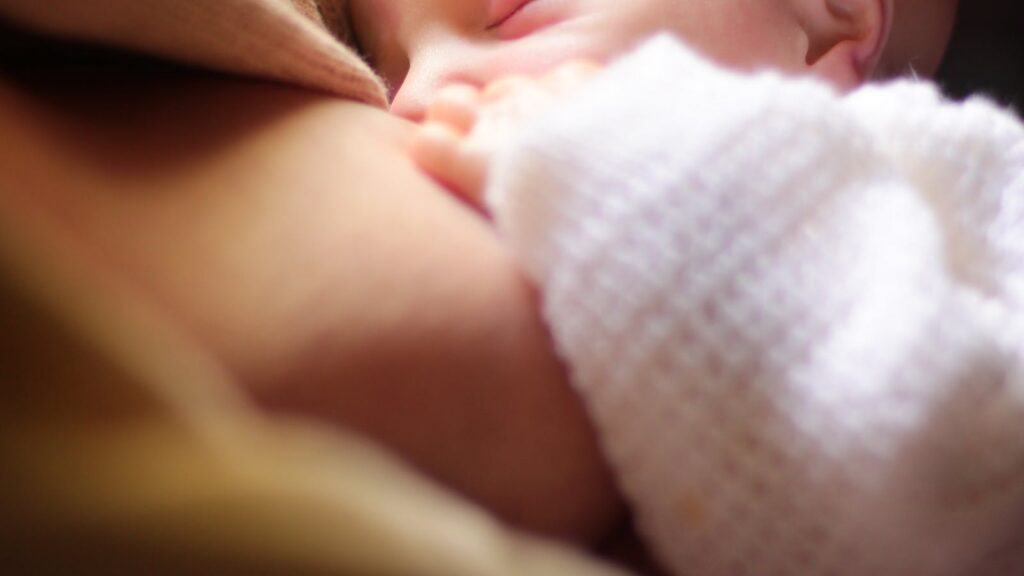
Madre amamantando a su bebé como imagen educativa sobre lactancia y Ayurveda
La lactancia se estudia observando vínculo, agarre, frecuencia de tomas, vaciamiento mamario y estado de la madre.
Lectura ayurvédica

Rasa Dhatu, Kapha y el vínculo de nutrición

La leche materna puede estudiarse dentro del campo de Rasa Dhatu: nutrición primaria, fluidez, sostén, hidratación y construcción del tejido. Kapha participa por su cualidad nutritiva, estable, untuosa y formadora. Vata puede alterar el ritmo de bajada de leche o generar ansiedad, tensión y sequedad. Pitta puede aparecer cuando hay inflamación, ardor, irritación, infección o mastitis.

Clave para estudiantes: ningún recurso ayurvédico reemplaza la evaluación del agarre, la frecuencia de tomas, el vaciamiento mamario, el peso del bebé y el estado general de la madre.

🥛 Rasa Dhatu

  • Nutrición, hidratación y sostén.
  • Relación con leche, plasma y fluidos.
  • Depende del descanso y la alimentación.
  • Se afecta por agotamiento y mala digestión.

🌱 Kapha

  • Cualidad nutritiva y formadora.
  • Puede favorecer producción y estabilidad.
  • En exceso, puede asociarse a congestión.
  • Requiere movimiento y buen vaciamiento.

🌬️ Vata

  • Estrés, tensión y sueño irregular.
  • Puede alterar bajada de leche.
  • Se relaciona con dolor, sequedad y ansiedad.
  • Se calma con rutina, calor y sostén.

Primer diagnóstico práctico

No siempre falta leche: a veces falta agarre, ritmo o vaciamiento

Antes de pensar en fórmulas, hierbas o galactagogos, hay que revisar lo básico: agarre, postura, transferencia de leche, frecuencia de tomas, vaciamiento, sueño, hidratación, dolor, estrés y evolución del peso del bebé.

Situación Cómo se ve Lectura ayurvédica Criterio de seguridad
El bebé no toma bien Apetito / agarre
Se prende poco, se duerme rápido, llora o suelta el pecho.
Observar Agni del bebé, Kapha infantil, ritmo y vínculo. Controlar peso, pañales y evaluación pediátrica si hay duda.
Leche insuficiente Producción baja
El bebé queda insatisfecho, no aumenta bien o la madre percibe poca producción.
Rasa bajo, agotamiento, Vata alto, falta de descanso o nutrición. Evaluar agarre y transferencia antes de indicar galactagogos.
Congestión Kapha estancado
Mama tensa, pesada, llena o dolorosa.
Kapha acumulado con obstrucción del flujo. Revisar vaciamiento, tomas frecuentes y signos de mastitis.
Mastitis o infección Alarma
Mama roja, caliente, dolorosa, fiebre o síntomas tipo gripe.
Pitta inflamatorio en tejido mamario. Requiere consulta profesional, especialmente si progresa.
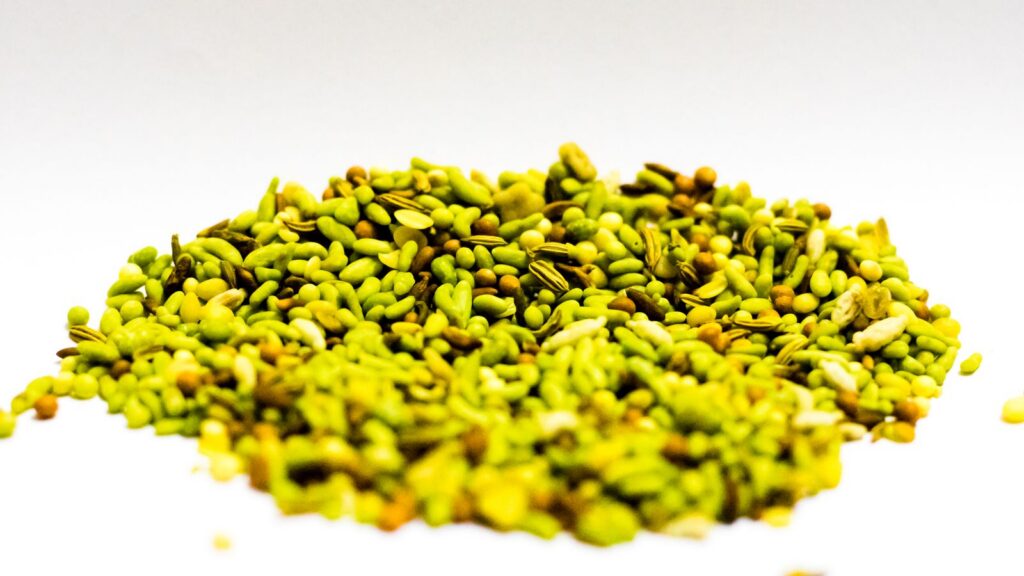
Semillas de hinojo como imagen educativa sobre digestión y lactancia desde Ayurveda
El hinojo permite estudiar Agni, digestión, Vata abdominal y el uso tradicional de infusiones suaves.
El bebé no tiene apetito

Cuando la madre produce leche, pero el bebé toma poco

El texto tradicional describe el caso en que la madre produce leche, pero el bebé no muestra apetito. En Ayurveda, la infancia se relaciona con Kapha: crecimiento, formación, mucosidad, sueño y construcción del cuerpo. Si el bebé toma poco, se puede pensar en Agni inmaduro o en dificultad digestiva, pero primero debe evaluarse si el agarre es correcto y si el bebé está clínicamente bien.

No dar miel a bebés menores de 12 meses. Algunas fórmulas tradicionales antiguas mencionan miel, pero hoy debe evitarse por riesgo de botulismo infantil. Tampoco conviene dar infusiones, preparados herbales o aceites al bebé sin indicación pediátrica.

👶 Observar al bebé

  • Peso y curva de crecimiento.
  • Cantidad de pañales mojados.
  • Energía, llanto y sueño.
  • Señales de deshidratación o decaimiento.

🤱 Observar la toma

  • Agarre profundo.
  • Succión efectiva.
  • Dolor materno.
  • Frecuencia y duración de tomas.

🔥 Agni infantil

  • Digestión inmadura.
  • Gases, cólicos o rechazo.
  • Somnolencia excesiva.
  • Evaluación pediátrica si persiste.

Leche insuficiente

Cuando hay poca producción o baja transferencia

La baja producción puede ser real, pero también puede confundirse con problemas de agarre o extracción. Desde Ayurveda se estudia el estado de Rasa Dhatu, ojas, descanso, hidratación, nutrición, Vata posparto, estrés y recuperación materna.

1

Revisar transferencia

Confirmar si el bebé efectivamente extrae leche. Una madre puede producir, pero el bebé no transferir bien por agarre o técnica.

2

Sostener a la madre

Descanso, comidas nutritivas, líquidos, contención emocional y reducción de exigencia son parte del tratamiento real.

3

Evaluar galactagogos

Shatavari, hinojo u otros recursos deben considerarse solo después de revisar factores modificables y con criterio profesional.
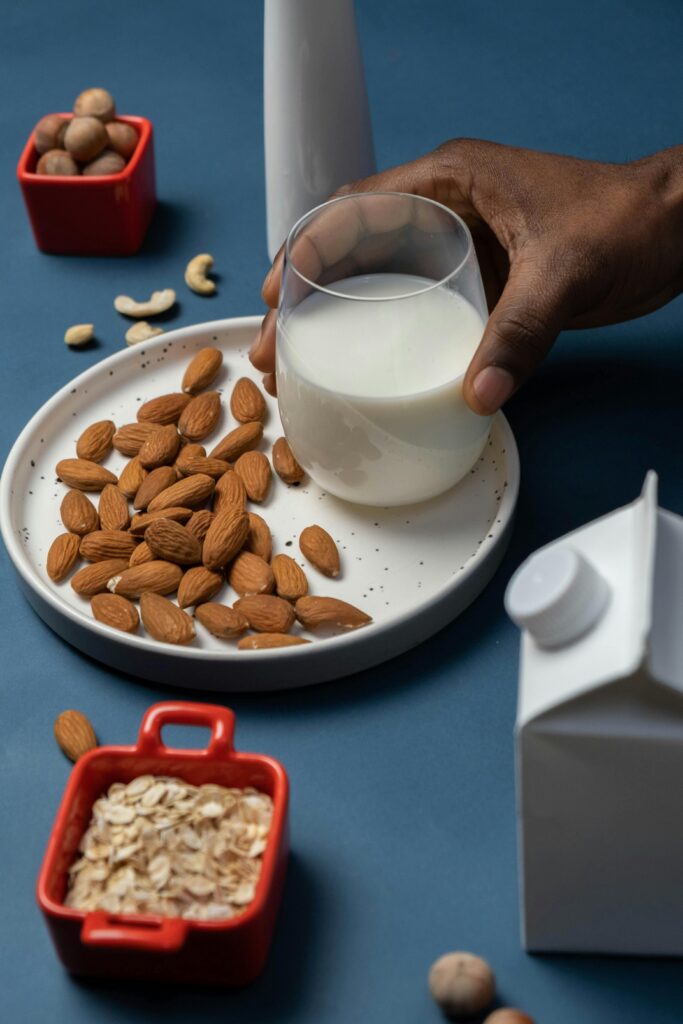
Almendras y bebida nutritiva como imagen educativa sobre lactancia y nutrición
Las preparaciones nutritivas permiten estudiar ojas, posparto, recuperación materna y sostén de los tejidos.
Recursos tradicionales

Shatavari, hinojo, almendras y preparaciones nutritivas

El material tradicional menciona recursos como shatavari, hinojo, leche de almendras, ghee y especias suaves. Para estudiantes, lo importante es comprender la dirección terapéutica: nutrir Rasa, sostener ojas, calmar Vata, favorecer digestión y acompañar el posparto. No se deben usar como reemplazo de asesoría de lactancia ni de evaluación pediátrica.

Recurso Sentido ayurvédico Uso educativo Precaución
Shatavari Rasayana / nutritivo
Tradicionalmente asociado a sostén femenino, Rasa y lactancia.
Permite estudiar nutrición, posparto, ojas y tejido reproductivo. Evaluar interacciones, alergias, digestión y supervisión profesional.
Hinojo Digestivo
Se relaciona con Agni, gases y Vata abdominal.
Útil para estudiar infusiones suaves y digestión. No dar al bebé sin indicación pediátrica; no reemplaza evaluación de agarre.
Almendras / leche nutritiva Brimhana
Nutritivo, restaurador y útil para pensar el posparto.
Conecta alimentación materna, ojas y recuperación. Considerar alergias, digestión, azúcar y tolerancia individual.
Ghee y especias suaves Vata / Agni
Untuosidad, sostén y digestibilidad si se indica bien.
Permite estudiar alimentación posparto cálida y sencilla. No usar si hay mala tolerancia, náuseas, diarrea o contraindicación médica.
Persona sosteniendo una taza de té como imagen educativa para artículo sobre infusiones y Ayurveda
Las infusiones deben estudiarse con prudencia durante lactancia: no reemplazan evaluación pediátrica ni asesoría de lactancia.
Congestión, mastitis y pezón irritado

Cuando aparece dolor, calor o infección

La congestión mamaria puede aparecer cuando hay más leche de la que el bebé extrae o cuando se interrumpe abruptamente la lactancia. Si se suma dolor localizado, calor, enrojecimiento, fiebre o síntomas tipo gripe, hay que pensar en mastitis y consultar.

👐 Vaciamiento

  • Evitar acumulación dolorosa.
  • Revisar frecuencia de tomas.
  • Consultar si hay obstrucción persistente.
  • No suspender bruscamente sin guía.

🔥 Mastitis

  • Mama roja, caliente y dolorosa.
  • Fiebre o malestar general.
  • Síntomas tipo gripe.
  • Requiere evaluación profesional.

⚠️ Pezón infectado

  • Dolor persistente.
  • Grietas, ardor o secreción.
  • Sospecha de hongos o infección.
  • Evitar automedicación local.

Cuidado con aceites o preparados en la areola y el pezón. Si se usa algún aceite externo alrededor de la mama, debe evitarse la zona que el bebé toma con la boca y lavar muy bien antes de amamantar. No aplicar sustancias que el bebé pueda ingerir sin indicación profesional.

En lactancia, el tratamiento no es solo “aumentar leche”: es cuidar al bebé, sostener a la madre, corregir agarre, calmar Vata, nutrir Rasa y reconocer a tiempo los signos de infección o alarma.

Si la madre decide no amamantar

Destete, estancamiento y cuidado mamario

Cuando se decide no amamantar o iniciar destete, puede haber congestión por leche retenida. Desde Ayurveda esto puede leerse como estancamiento de Kapha y Rasa. Desde el cuidado práctico, conviene hacer un proceso gradual y acompañado para evitar dolor, obstrucción o mastitis.

Recomendación educativa: en destetes, hiperlactancia o congestión recurrente, la guía de una puericultora o profesional de lactancia puede prevenir complicaciones.

Síntesis para estudiantes

Cómo ordenar un caso de lactancia

La lactancia exige una mirada integrada. El estudiante debe evitar respuestas automáticas y aprender a diferenciar baja producción real, mala transferencia, congestión, mastitis, dolor de pezón, agotamiento materno y señales pediátricas.

Pregunta Qué orienta Aplicación ayurvédica
¿El bebé gana peso? Nutrición efectiva o necesidad de evaluación. Rasa, Agni del bebé y sostén materno.
¿Hay dolor al amamantar? Agarre, grietas, infección o tensión. Vata, Pitta local y corrección técnica.
¿La mama está roja o caliente? Mastitis o inflamación. Pitta en tejido mamario; derivación si hay fiebre.
¿Hay agotamiento materno? Falta de descanso y sostén. Ojas, Vata posparto y nutrición restauradora.

Seguir estudiando Ayurveda con criterio clínico

Los problemas de lactancia permiten integrar Rasa Dhatu, Kapha, Vata posparto, Agni del bebé, nutrición materna, vínculo y derivación responsable.
Ver cursos de Ayurveda
Volver a artículos para estudiantes
Volver a artículos
  • Home
  • Artículos para estudiantes
  • Problemas de lactancia desde Ayurveda: Agni, Kapha, Shatavari y primeros cuidados
29/09/2026

Problemas de lactancia desde Ayurveda: Agni, Kapha, Shatavari y primeros cuidados

by richadmin / viernes, 22 mayo 2026 / Published in Artículos para estudiantes
Madre amamantando a su bebé como imagen educativa sobre lactancia y Ayurveda
  • Tweet

About richadmin

What you can read next

Haleem is Ramzan Special dish. Vegetable Haleem is very healthy, highly protein rich, complete meal, nutritious for all Vegetarians. This is a combination of different lentils, spices, ghee, dry fruits and the taste why it is as mouth watering as the non-veg haleems available in the Ramzan Season. Though making this at home is a very lengthy process, it's worth that effort when it comes to the taste.
Combinaciones de alimentos en Ayurveda: criterios para favorecer la digestión
Georges de La Tour (1593‒1652) La Femme à la puce (The Flea Catcher) (1638) Oil on canvas (90 cm × 120 cm) Musée Lorrain, Nancy. Photo P. Mignot “Haughty, sharp-tongued, self-assured, unbearably self-sufficient, stingy, and violent beyond measure,” is how Georges de La Tour was described by his contemporaries. Municipal records confirm that he refused to pay his share to feed the hungry during times of famine. He assaulted an officer, beat a peasant, and made himself obnoxious to everyone by “sending his dogs after hare into the standing crops which they trample down and ruin.” A “painter” is how he described himself in the marriage contract in 1617. Shortly after the wedding, he moved to Lunéville, a prosperous town near Nancy, in Lorraine, now France, where he lived and worked. His early life and training remain otherwise ambiguous. He was influenced by the style of Caravaggio, either from travel to Italy or from contact with the Dutch followers of the Italian master. He found fame and fortune in his lifetime and was known as “Painter to the King.” He had 10 children, three of whom lived to adulthood. His son Étienne studied under him. La Tour died suddenly, possibly of the plague, within a few days of the deaths in his household of his wife and servant. He was soon forgotten to be discovered hundreds of years later and become an icon, anointed among the greats of his generation. The 1630s was a turbulent period for Lorraine, a region contested by France and Germany for centuries. The 30 Years’ War and consequent epidemics, famine, and destruction, compounded by a fire in 1638 that burned Lunéville to the ground, contributed to the loss of much of La Tour’s legacy, as many as 400 works. A few remaining paintings were variously thought to be the work of Ribera, Zurbarán, Murillo, Velázquez, Rembrandt, and always, Caravaggio. Some paintings are still emerging from oblivion. The Flea Catcher, on this month’s cover, was not attributed to him until 1955. In following Caravaggio, La Tour rejected Baroque classicism, the art movement of his age. He abandoned architectural backdrops and complicated scenes for solitary figures in dark tones. But his kinship with the master went beyond the dramatic chiaroscuro. The two shared, along with a troubling inability to cope with ordinary life, an incongruous gift for capturing its poetry on canvas. Well acquainted with darkness in the world, they brought into their paintings light. And though their choice of subjects wandered into the rogue—criminals, thieves, beggars—the light cast an aura of spirituality, driving the mood, the character, and the message. In a departure from Caravaggio, La Tour introduced in his works the actual source of light, usually a candle, and became famous for his religious night scenes, often referred to as nocturnes. In these, he moved away from the traditional halos and wings, injecting an earthy holiness into his figures: Sebastian, patron saint of plague victims, pious women who nursed the wounded, and several versions of penitent Mary Magdalene. Alternating light and dark built mystery and stillness into these scenes, which, stripped of extraneous background, attained an almost geometric simplicity well ahead of the times. The Flea Catcher has been unanimously accepted as the work of La Tour, although initially the subject matter caused confusion. Seventeenth-century art was filled with flea-searching figures painted by European masters. The Dutch often included daily bodily search for parasites in their repertoire, but flea and louse iconography was not part of French art. And although clearly in La Tour’s nighttime style, The Flea Catcher is different from his other works and from Dutch works on this subject. True to genre, the Dutch offerings were playful tongue-in -cheek, even erotic presentations, along the lines of, if not inspired by, poetry from Ovid to John Donne. “Madam, that flea, which crept between your breasts / I envied that there he should make his rest; / The little creature’s fortune was so good / That angels feed not on so precious food.”1 The phase of La Tour’s career during which The Flea Catcher was painted is not known, nor are the circumstances of naming the work. The dating is also approximate. Its execution, whether in the 1630s or 1640s, did coincide with instances of the plague in Lorraine and with troop movements through the region. But the cause of plague was unknown. Flea hunting was a mindless sport intended to provide relief from annoying bites and itching. And, of course, there was the issue of cleanliness. The Dutch were notorious advocates of cleanliness. Gerard ter Borch and others often paid tribute to the dictum “spiritual purity starts with a clean body.” A woman was considered the “moral laundress” of the household and the guardian of proper child care: “Lazy mother, lousy heads.” Although French artists were not under as much pressure as the Dutch to couch moral messages in genre scenes, a moral or spiritual interpretation of La Tour’s woman’s search for fleas is intriguing. Certainly morality is present in the background of other well-known La Tour paintings (The Fortune Teller, The Card Sharp with the Ace of Clubs). In The Flea Catcher, the woman’s focus on the task rivals any Dutch example. And whatever it may have lost from abandoning the lighthearted approaches preceding it, this work made up in silence and intensity. Unlike La Tour’s other work, mostly religious and genre scenes, The Flea Catcher has a complicated, even mysterious, aura. Not so much in its intimacy and introspection, which are found in most all his work, but in the discrepancy between these and the mundane task described. The enigmatic nature of the painting has attracted multiple interpretations. Some observers view the flea crushing as ancillary to the quiet contemplation and sadness implicit in the figure’s posture. Others take a religious approach. They see a fallen woman, possibly expecting a child, a penitent Magdalene pondering the excesses of her past life. Some viewers sense spiritual contemplation, a form of asceticism that comes from introspective concentration on a mundane task. And yet others suggest that the woman is not hunting fleas at all but praying the rosary or inspecting her garment, as the candlelight may be attracting fleas. Whatever the interpretation, the staging is pure La Tour: passive with an air of personal transcendence. In this treatment of flea hunting, the viewer is given privileged access. The setting is sparse, fluid, linear, and intimate. The woman in plain wrap is in a stage of undress, her hair concealed, head downcast, bust and chest pathetically exposed, belly engorged. The hands, frozen in the all too familiar flea-crushing curl, are tightened to trap the undesirable guest between the thumbnails. In a characteristic maneuver, La Tour contrasts the impassive face with active, engaged hands. A smoking flame, the artist’s signature, exudes an otherworldly calm as it exposes red tones in the adjacent chair and settles lightly on the woman’s face. The emphasis here is not on charm but on drama, and the intense introspection implies deeper concerns. Historical and religious references aside, La Tour’s femme à la puce begs for a contemporary interpretation, one informed by current knowledge of fleas, plague, and human frailty relieved by introspection. For as she absently tried to rid her body of fleas, La Tour’s woman became one more human protest against the ubiquitous pests. Whatever the distracting affliction she might have contemplated during her hunt, it would pale in the face of what she did not know about their behavior as vectors of disease. Long a favorite of poets, the flea was an allusion to all sorts of mischief, a kind of literary pet. “If you turn me into anything, let it be in the likeness of a little pretty frisking flea that I might be here and there and everywhere.”2 Far from its reputation during La Tour’s lifetime as a harmless, even amusing insect, the flea has since emerged as enemy of public health, no less from its role in the spread of plague, a most dreaded scourge. Fleas may be some of the most modern insects. Part of their success as vectors comes from their strong, but not absolute, preference for the blood of a good reservoir species (rodents, especially rats globally, prairie dogs and squirrels in the United States), along with a willingness to feed on humans when opportunity and need arise. Fleas that prefer prairie dog blood will feed on and infect a person who wanders through a prairie dog village after a plague-associated prairie dog die off. This less than desirable feed transforms an unrecognized sylvatic cycle into human illness and death. Fleas have demonstrated admirable staying power, causing pandemics, beginning in antiquity, and maintaining to this day a sylvatic cycle that bubbles along with few or no human cases but does not go away. What does La Tour’s downcast woman have to do with modern fleas? She is collateral damage to a natural cycle of infection that engages rodent reservoir hosts and the flea vectors. Whatever her emotional situation, it probably had less to do with her worth as a person than with her status in the world, as misfortune generally does. She is in some way as much a host of her calamity as of the flea between her thumbs.
Aceites capilares según los doshas: cómo elegir sin caer en fórmulas universales
While she wears a fashionable wig, this woman's own close-cropped hair can be seen at the forehead as well as on the sides of her neck. Her graceful proportions are set off by her elongated arms and emphasized hands and feet that are characteristic of Middle Kingdom sculptures. As is often the case, this statue has carefully indicated fingernails and toenails. There is a diadem running all over this statuette's wig from the middle. The wig seems to be attached to the body as well as the arms. The woman has armlets and anklets painted in green color with black lines. It seems that the wooden body was painted. Some white colors remain on the fingers. She is dressed in the traditional linen sheath with shoulder straps. Hair in pigtails ending in short curls bound with band at ear level, hanging beside neck and down back. Her wig was made by securing human hair to a mesh foundation by means of beeswax and resin. The large wig covers the ears, the brownish color maybe was due to the fading black color that was before. The legs are side by side. Her arms are at her sides. Her hands are extended flat. Her feet are glued to the block base. Her eyelid is not fully extended to the end of face, as well as the thick eyebrows. The black canthus is wide. She has a round face and a long neck. She is wearing a necklace with large central bead. On the back, the piece is partially broken from above the left leg. There is a brownish line on the back, extending from front, under the waist.
Menopausia desde Ayurveda: transición, calor, sueño y cuidado integral
TOP
WhatsApp
Hola!
Te damos la bienvenida a Escuela Ayurveda by Gaiatri
Cómo puedo ayudarte?
Open Chat
Powered by Joinchat

Escuela Ayurveda
by Gaiatri

Formaciones, cursos y recursos para integrar la sabiduría ancestral del Ayurveda.

Instagram Facebook YouTube WhatsApp

Accesos

Inicio Cursos Metodología Certificación Alumnos Nosotros Contacto

Contacto

info@escuelaayurveda.org.ar WhatsApp: +54 9 11 2459-4376 Campus virtual

© 2026 Escuela Ayurveda by Gaiatri. Todos los derechos reservados.

Acceso exclusivo

¿Ya sos alumno de la escuela?

Ingresá al campus virtual para acceder a tus clases, grabaciones, manuales, actividades y materiales de estudio. También podés visitar el área de alumnos si necesitás orientación o ayuda para ingresar.

Ingresar al campus Área de alumnos
Escuela Ayurveda by Gaiatri

Descubrí sabiduría ancestral

Cursos y formaciones para estudiar Ayurveda con claridad, práctica y acompañamiento docente, e integrar sus principios a la vida personal, profesional o terapéutica.

Unidad educativa de Gaiatri Ayurveda .

Escuela

  • Inicio
  • Cursos y formaciones
  • Metodología
  • Certificación
  • Nosotros
  • Testimonios

Recursos

  • Blog de Ayurveda
  • Artículos para estudiantes
  • Plantas medicinales
  • Recetas ayurvédicas
  • Área de alumnos
  • Gaiatri Ayurveda

Contacto

Correo electrónico info@escuelaayurveda.org.ar
WhatsApp +54 9 11 2459-4376 Consultas e inscripciones
Sede presencial Av. Córdoba y Fitz Roy Palermo, Ciudad de Buenos Aires
Ir a contacto

© 2026 Escuela Ayurveda by Gaiatri. Todos los derechos reservados.

Inicio Formaciones Alumnos Contacto