.eah-article-bursitis{--gold:#B88802;--gold2:#E6BD3F;--cream:#FDFCF3;--text:#1F2937;--muted:#6B7280;--line:rgba(184,136,2,.24);max-width:1080px;margin:0 auto;padding:10px 18px 70px;color:var(--text);line-height:1.72;font-family:inherit}
.eah-article-bursitis *{box-sizing:border-box}
.eah-article-bursitis p{margin:0 0 18px;font-size:17px}
.eah-article-bursitis h2,.eah-article-bursitis h3,.eah-article-bursitis h4{color:var(--text);line-height:1.18;margin:0}
.eah-bursitis-hero{position:relative;overflow:hidden;border:1px solid var(--line);border-radius:28px;padding:clamp(34px,5vw,62px);background:radial-gradient(circle at 88% 18%,rgba(230,189,63,.25),transparent 34%),linear-gradient(135deg,#fff 0%,var(--cream) 48%,#FFF2CC 100%);box-shadow:0 24px 70px rgba(31,41,55,.08);margin-bottom:34px}
.eah-bursitis-hero:before{content:"";position:absolute;inset:18px;border:1px solid rgba(184,136,2,.18);border-radius:22px;pointer-events:none}
.eah-kicker{display:inline-flex;align-items:center;gap:9px;color:var(--gold);font-weight:800;letter-spacing:.12em;text-transform:uppercase;font-size:13px;margin-bottom:16px}
.eah-kicker:before{content:"";width:34px;height:1px;background:var(--gold);display:inline-block}
.eah-bursitis-hero h2{font-size:clamp(34px,5vw,58px);max-width:930px;margin-bottom:20px}
.eah-lead{max-width:900px;font-size:clamp(18px,2vw,21px)!important;color:#374151}
.eah-tags{display:flex;flex-wrap:wrap;gap:10px;margin-top:28px}
.eah-tag{display:inline-flex;align-items:center;border:1px solid rgba(184,136,2,.28);background:rgba(255,255,255,.72);color:#7A5A00;border-radius:999px;padding:8px 13px;font-size:14px;font-weight:700}
.eah-section{margin-top:38px}
.eah-head{margin-bottom:20px}
.eah-head .eyebrow{color:var(--gold);font-size:13px;font-weight:800;letter-spacing:.08em;text-transform:uppercase;margin-bottom:8px}
.eah-head h3{font-size:clamp(26px,3vw,38px);margin-bottom:12px}
.eah-head p{max-width:850px;color:var(--muted)}
.eah-note{border-left:4px solid var(--gold2);background:linear-gradient(90deg,rgba(230,189,63,.14),rgba(253,252,243,.6));padding:20px 22px;border-radius:18px;margin:26px 0}
.eah-note strong{color:#7A5A00}
.eah-warning{border-left:4px solid #DC2626;background:linear-gradient(90deg,rgba(239,68,68,.10),rgba(253,252,243,.75));padding:20px 22px;border-radius:18px;margin:26px 0}
.eah-warning strong{color:#991B1B}
.eah-grid-3{display:grid;grid-template-columns:repeat(3,minmax(0,1fr));gap:18px;margin-top:22px}
.eah-card{background:#fff;border:1px solid var(--line);border-radius:22px;padding:24px;box-shadow:0 16px 40px rgba(31,41,55,.06)}
.eah-card h4{display:flex;align-items:center;gap:9px;font-size:20px;margin-bottom:12px}
.eah-icon{width:34px;height:34px;border-radius:999px;display:inline-flex;align-items:center;justify-content:center;background:rgba(230,189,63,.18);color:var(--gold);font-size:18px;flex:0 0 auto}
.eah-card ul{padding-left:20px;margin:0}
.eah-card li{margin-bottom:9px;color:#374151}
.eah-table-wrap{overflow-x:auto;border:1px solid var(--line);border-radius:22px;background:#fff;box-shadow:0 16px 40px rgba(31,41,55,.05);margin-top:18px}
.eah-table{width:100%;border-collapse:collapse;min-width:760px}
.eah-table th{background:linear-gradient(135deg,#FDFCF3,#FFF3C8);color:#6F5200;text-align:left;font-size:14px;letter-spacing:.04em;text-transform:uppercase;padding:16px 18px;border-bottom:1px solid var(--line)}
.eah-table td{padding:18px;vertical-align:top;border-bottom:1px solid rgba(184,136,2,.14);color:#374151;font-size:16px}
.eah-table tr:last-child td{border-bottom:none}
.eah-table td:first-child{font-weight:800;color:var(--text);width:22%}
.eah-pill{display:inline-block;padding:5px 9px;border-radius:999px;font-size:12px;font-weight:800;margin-bottom:8px}
.eah-pill.good{background:rgba(16,185,129,.12);color:#047857}
.eah-pill.medium{background:rgba(245,158,11,.14);color:#92400E}
.eah-pill.avoid{background:rgba(239,68,68,.10);color:#991B1B}
.eah-quote{margin:36px 0;padding:28px;border-radius:24px;background:#1F2937;color:#fff;position:relative;overflow:hidden}
.eah-quote:after{content:"";position:absolute;width:180px;height:180px;right:-60px;top:-70px;background:rgba(230,189,63,.22);border-radius:999px}
.eah-quote p{position:relative;z-index:1;font-size:clamp(19px,2vw,24px);line-height:1.55;margin:0}
.eah-steps{display:grid;grid-template-columns:repeat(3,minmax(0,1fr));gap:18px;margin-top:22px}
.eah-step{border-radius:22px;padding:24px;background:linear-gradient(180deg,#fff,var(--cream));border:1px solid var(--line)}
.eah-num{width:38px;height:38px;border-radius:999px;display:flex;align-items:center;justify-content:center;background:var(--gold);color:#fff;font-weight:900;margin-bottom:14px}
.eah-step h4{font-size:19px;margin-bottom:10px}
.eah-step p{color:var(--muted);font-size:16px;margin:0}
.eah-inline-figure{margin:34px 0;border-radius:24px;overflow:hidden;border:1px solid var(--line);background:#fff;box-shadow:0 18px 48px rgba(31,41,55,.08)}
.eah-inline-figure img{display:block;width:100%;height:auto;aspect-ratio:16/9;object-fit:contain;background:#fff}
.eah-inline-figure figcaption{padding:13px 18px;color:var(--muted);font-size:14px;background:linear-gradient(135deg,#fff,var(--cream))}
.eah-cta{margin-top:46px;border-radius:28px;padding:clamp(28px,4vw,44px);background:linear-gradient(135deg,rgba(184,136,2,.92),rgba(230,189,63,.88)),var(--gold);color:#fff;text-align:center;box-shadow:0 22px 60px rgba(184,136,2,.24)}
.eah-cta h3{color:#fff;font-size:clamp(26px,3vw,38px);margin-bottom:12px}
.eah-cta p{color:rgba(255,255,255,.92);max-width:740px;margin:0 auto 24px}
.eah-buttons{display:flex;flex-wrap:wrap;justify-content:center;gap:12px}
.eah-button{display:inline-flex;align-items:center;justify-content:center;min-height:46px;padding:12px 20px;border-radius:999px;text-decoration:none;font-weight:800}
.eah-button.primary{background:#fff;color:#7A5A00}
.eah-button.secondary{border:1px solid rgba(255,255,255,.65);color:#fff}
.eah-button:hover{text-decoration:none;transform:translateY(-2px)}
@media(max-width:900px){.eah-grid-3,.eah-steps{grid-template-columns:1fr}.eah-table{min-width:720px}}
Bursitis desde Ayurveda: Pitta, articulaciones, Ama y primeros cuidados
La bursitis es la inflamación de una bursa: una pequeña bolsa con líquido que disminuye la fricción entre huesos, tendones, músculos y piel. Puede aparecer en hombro, rodilla, codo, cadera, talón u otras zonas de roce. Desde Ayurveda, permite estudiar Pitta en la articulación, Ama, toxicidad acumulada, colon, dolor, movimiento y cuidado responsable.
Importante: este artículo es material educativo. Consultar si hay fiebre, escalofríos, enrojecimiento intenso, calor marcado, dolor que impide mover la articulación, drenaje de líquido, traumatismo, hinchazón rápida, dolor severo o si los síntomas no mejoran con reposo y cuidados básicos.
Una estructura pequeña con una función importante
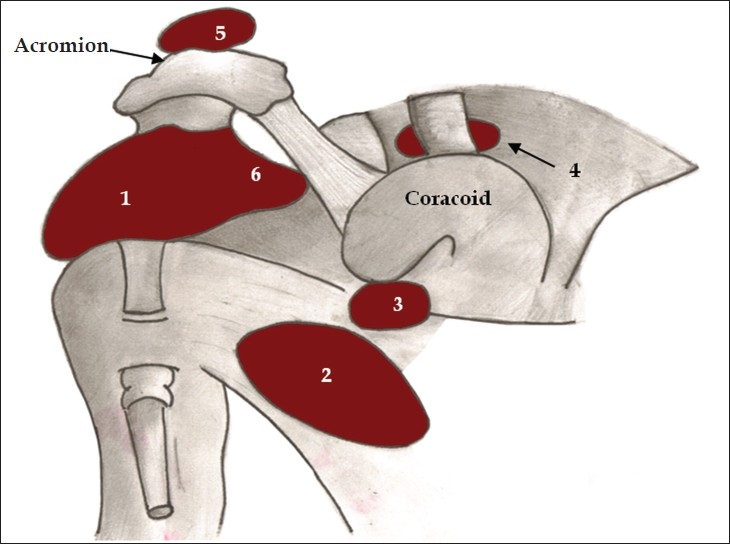
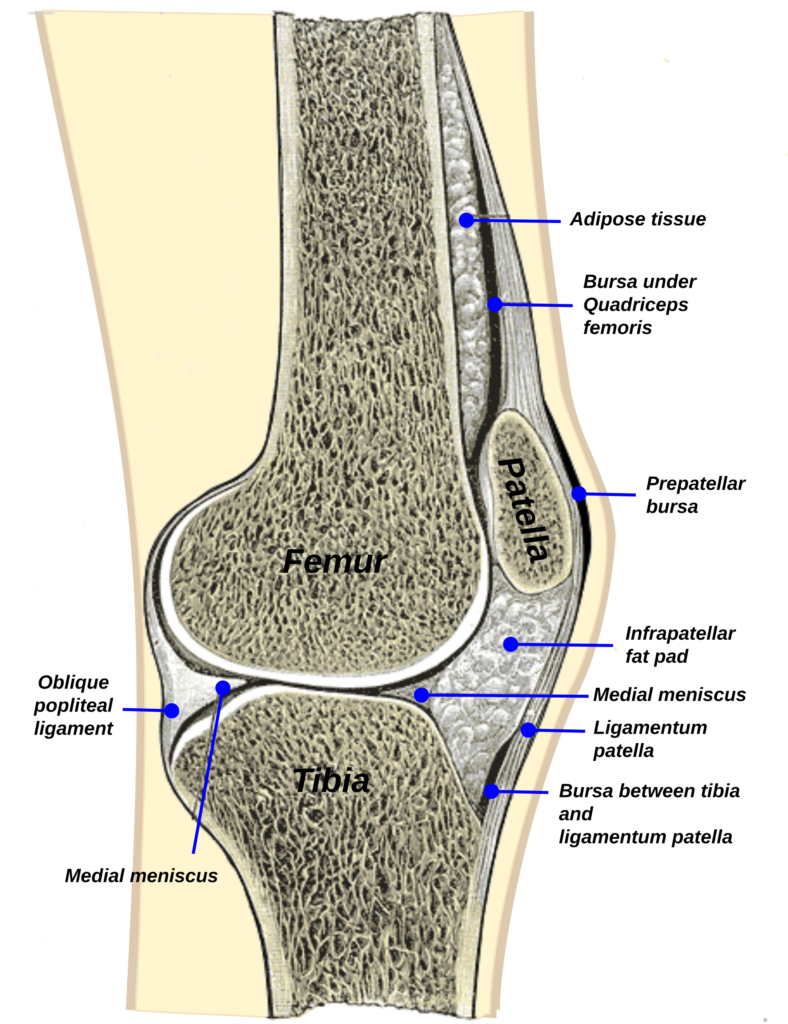
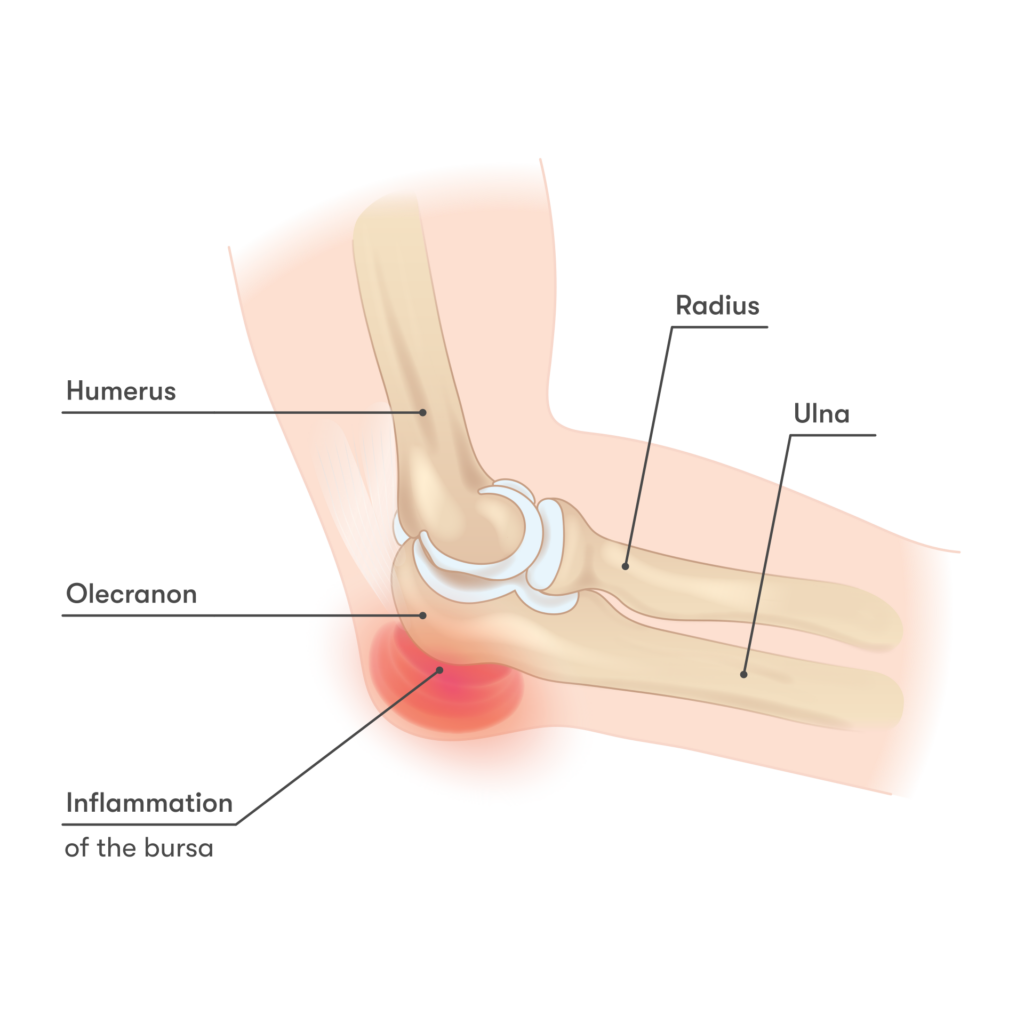
Las bursas actúan como almohadillas de deslizamiento. Reducen la fricción donde un tendón pasa cerca de un hueso, donde la piel roza una prominencia ósea o donde una estructura móvil necesita protección. Cuando se inflaman, el movimiento se vuelve doloroso y la zona puede sentirse rígida, sensible o hinchada.
Hombro
- Dolor al elevar el brazo.
- Sensibilidad en zona lateral o anterior.
- Relación con manguito rotador y sobreuso.
- Puede confundirse con tendinitis.
Rodilla
- Hinchazón delante o alrededor de la rodilla.
- Puede aparecer por arrodillarse repetidamente.
- Dolor al apoyar o flexionar.
- Requiere descartar infección si hay calor y fiebre.
Codo
- Hinchazón en la punta del codo.
- Puede relacionarse con presión repetida.
- Se observa como bolsa inflamada.
- No pinchar ni drenar en casa.
Pitta en la articulación y Ama en los tejidos
El texto tradicional describe la bursitis como una condición de Pitta similar a ciertas artritis inflamatorias. Desde una mirada didáctica, Pitta se reconoce por dolor con calor, sensibilidad, inflamación y posible enrojecimiento. Ama puede participar cuando hay acumulación, pesadez, mala digestión o toxinas que circulan y se alojan en tejidos vulnerables.
Clave para estudiantes: no toda bursitis es igual. Hay bursitis por sobreuso, presión repetida, traumatismo, infección, gota, artritis, alteraciones mecánicas o irritación crónica. Ayurveda ayuda a leer el terreno, pero la causa concreta define la conducta.
Pitta
- Calor, inflamación y dolor agudo.
- Zona sensible al tacto.
- Puede haber enrojecimiento.
- Empeora con esfuerzo o calor excesivo.
Ama
- Pesadez, rigidez o sensación de toxinas.
- Mala digestión asociada.
- Colon lento o eliminación irregular.
- Inflamación que se vuelve recurrente.
Vata
- Dolor por movimiento o irritación mecánica.
- Espasmo o protección muscular.
- Rigidez después del reposo.
- Necesita movilidad suave, no agresiva.
Reposo relativo, hielo y protección
Cuando la bursa está irritada, la prioridad es dejar de alimentar la inflamación. No se trata de inmovilizar indefinidamente, sino de reducir el movimiento o presión que dispara el dolor, proteger la zona y volver gradualmente al movimiento.
Reposo relativo
Evitar el gesto que irrita la bursa: arrodillarse, apoyar el codo, levantar el brazo repetidamente o forzar la articulación.
Frío local
En fase aguda, el hielo envuelto en tela puede ayudar a bajar dolor e inflamación. No aplicar hielo directo sobre la piel.
Proteger la zona
Usar almohadillas, modificar postura, revisar ergonomía y evitar presión repetida sobre codos o rodillas.
No masajear fuerte ni aplicar calor intenso si hay inflamación aguda, enrojecimiento, fiebre o sospecha de infección. Tampoco conviene pinchar, drenar o manipular una bursa inflamada en casa.
Bursitis mecánica, inflamatoria o infecciosa
El tratamiento cambia según la causa. Una bursitis por apoyo repetido no se maneja igual que una bursitis asociada a infección. Por eso, el estudiante debe aprender a reconocer señales que exceden el autocuidado.
| Tipo | Cómo se presenta | Lectura ayurvédica | Conducta |
|---|---|---|---|
| Mecánica | Presión / roce Empeora con apoyo, repetición, deporte, trabajo o postura. |
Vata por irritación mecánica; Pitta si hay inflamación. | Reposo relativo, protección, ergonomía y retorno gradual. |
| Inflamatoria | Calor / dolor Dolor, rigidez, sensibilidad y brotes recurrentes. |
Pitta, Ama, Rakta/Mamsa y tejido articular comprometido. | Evaluar causa, dieta, digestión y posible condición articular. |
| Infecciosa | Alarma Calor intenso, enrojecimiento, fiebre, herida, supuración o mal estado general. |
Pitta agudo con riesgo clínico. | Derivación médica. Puede requerir antibiótico o drenaje profesional. |
La mirada tradicional sobre toxinas y articulaciones
El texto ayurvédico relaciona algunos procesos articulares con acumulación de toxinas en el colon, absorción al torrente sanguíneo y depósito en tejidos vulnerables. Para estudiantes, esta idea se puede traducir en observar digestión, eliminación, alimentos irritantes, inflamación y recurrencia.
Orientación dietaria general: si hay Pitta inflamatorio, conviene evitar excesos de picante, alcohol, frituras, fermentados fuertes y comidas muy calientes. Si hay Vata, no conviene enfriar de más ni sostener dietas secas o crudas que empeoren rigidez y dolor.
Favorecer
- Comidas simples y digestivas.
- Verduras cocidas y preparaciones suaves.
- Hidratación adecuada.
- Regularidad intestinal.
Evitar en brote
- Picantes, fritos y alcohol.
- Exceso de fermentados o encurtidos.
- Comidas pesadas de noche.
- Ayunos agresivos o dietas extremas.
Observar
- Constipación o diarrea.
- Lengua cargada.
- Pesadez posprandial.
- Relación entre dieta y dolor.
Yoga suave: cuándo sí y cuándo no
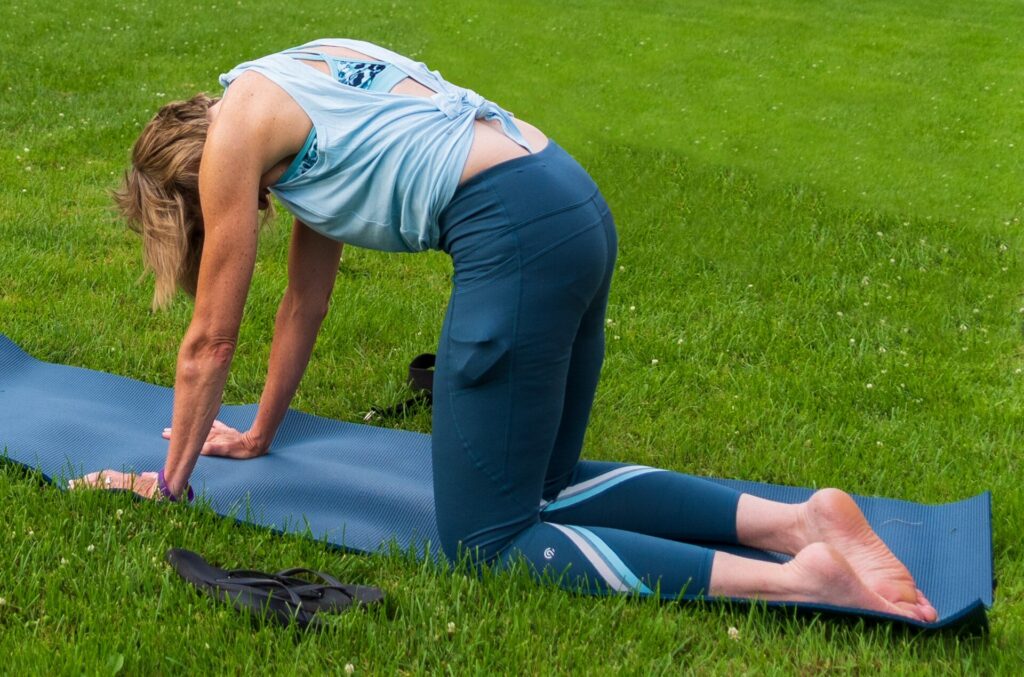
El texto tradicional sugiere estiramientos suaves como camello, cobra, gato-vaca, torsión espinal y flexión hacia adelante, siempre con guía. La idea no es forzar la articulación inflamada, sino recuperar movilidad cuando el dolor agudo disminuye.
| Momento | Qué hacer | Qué evitar |
|---|---|---|
| Brote agudo | Reposo relativo, protección, frío local y evitar el gesto irritante. | No hacer estiramientos intensos, fuerza, calor fuerte ni presión directa. |
| Dolor bajando | Movilidad suave sin dolor, respiración y rango corto. | No buscar amplitud máxima ni sostener dolor. |
| Recuperación | Fortalecer progresivamente músculos cercanos y mejorar ergonomía. | No volver de golpe a la actividad que generó la bursitis. |
En bursitis, la lectura ayurvédica debe integrarse con la mecánica del movimiento: si una bursa se irrita por presión o repetición, el tratamiento empieza por dejar de repetir aquello que la inflama.
Aceites, sándalo, nasya y fórmulas: cómo estudiarlos con criterio
El material tradicional menciona aplicaciones externas, aceites, sándalo, nasya y fórmulas herbales. Para estudiantes, lo importante es comprender la dirección: calmar Pitta, reducir fricción, movilizar prana, aliviar dolor y acompañar tejidos. No debe aplicarse ninguna sustancia sobre piel lesionada, infectada, caliente o con sospecha de infección.
| Recurso | Sentido ayurvédico | Uso educativo | Precaución |
|---|---|---|---|
| Sándalo | Refrescante Se estudia por su cualidad calmante y enfriante. |
Útil para entender Pitta local e inflamación. | No aplicar sobre heridas, infección o piel irritada sin criterio. |
| Aceite de sésamo | Vata Untuosidad, protección y suavidad. |
Ayuda a estudiar fricción, tejido y dolor por rigidez. | Evitar en fase caliente, roja, aguda o infecciosa. |
| Eucalipto / tea tree / neem | Local Recursos tradicionales de uso externo. |
Permiten estudiar piel, dolor e inflamación. | Riesgo de irritación. No usar puros ni en piel dañada. |
| Nasya | Prana Se estudia para flujo de prana y cuello/hombro. |
Herramienta avanzada, no primer auxilio. | Requiere indicación profesional y contexto adecuado. |
Cuándo consultar
La bursitis puede ser leve y mejorar con reposo, pero también puede complicarse o confundirse con otras condiciones. La derivación responsable es parte del criterio clínico.
Consultar: fiebre, escalofríos, enrojecimiento marcado, piel caliente, dolor severo, incapacidad para mover, herida, drenaje de líquido, traumatismo, hinchazón rápida, dolor nocturno, bursitis recurrente o falta de mejoría después de cuidados básicos.
Cómo ordenar un caso de bursitis
El caso se ordena combinando anatomía, causa mecánica, signos inflamatorios, digestión, estilo de vida y señales clínicas. Ayurveda aporta lectura del terreno; el cuidado práctico evita que la articulación siga irritándose.
| Pregunta | Qué orienta | Aplicación ayurvédica |
|---|---|---|
| ¿Dónde está? | Hombro, rodilla, codo, cadera, talón u otra zona. | Comprender anatomía local y tejido afectado. |
| ¿Qué la irrita? | Apoyo, sobreuso, deporte, trabajo, postura o trauma. | Vata mecánico y necesidad de modificar hábitos. |
| ¿Hay calor? | Enrojecimiento, fiebre, sensibilidad intensa o inflamación. | Pitta; descartar infección si hay signos sistémicos. |
| ¿Es recurrente? | Brotes repetidos o mala recuperación. | Revisar Ama, Agni, colon, ergonomía y fortalecimiento. |
Seguir estudiando Ayurveda con criterio clínico
La bursitis permite integrar anatomía, Pitta, Ama, Vata mecánico, articulaciones, colon, yoga suave y derivación responsable.